
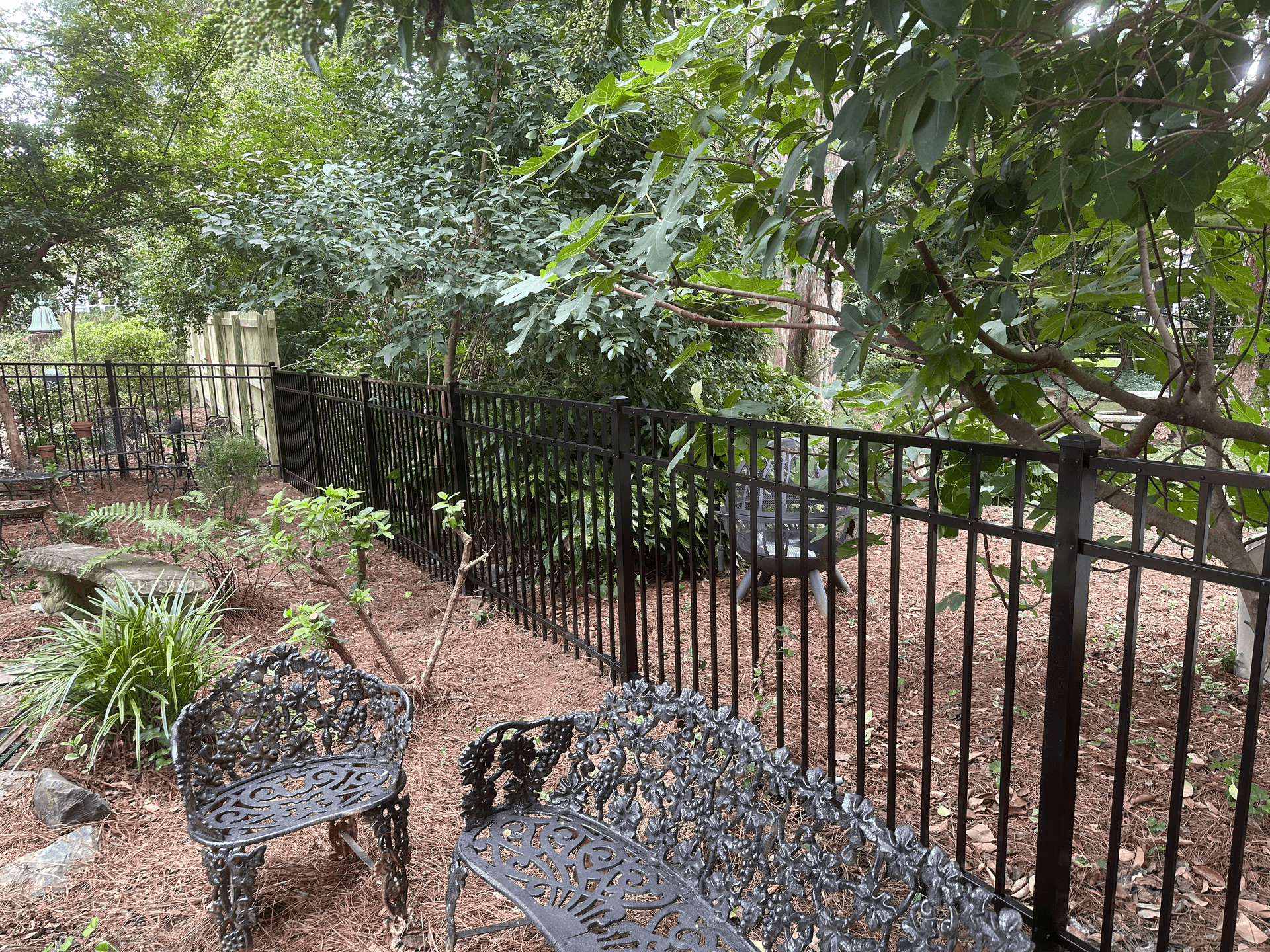
In Rock Hill, the choice between wood and aluminum fencing comes down to durability and maintenance. Both materials offer unique benefits suited to our Carolina climate.
Lifespan: Wood vs Aluminum
When considering a fence, the lifespan is a critical factor. In Rock Hill, wood fences typically last around 10 to 15 years, depending on the type of wood used and the maintenance they receive. Pressure-treated pine, a popular choice, can withstand our humid summers and occasional winter freezes better than untreated wood, but it still succumbs to rot and insect damage over time.
In contrast, aluminum fences boast a lifespan of 30 years or more. They resist rust and corrosion, making them ideal for areas with high humidity or near bodies of water, such as the Lake Wylie region. While they may dent if struck, their overall durability in the face of the Piedmont freeze-thaw cycle is significantly better than wood.
Cost Considerations
When comparing wood vs aluminum fencing, cost is often a primary concern. A wood fence installation can range from $15 to $30 per linear foot, depending on the quality of wood and the complexity of the design. However, keep in mind that over the years, wood fencing may require more investment in maintenance, such as staining or sealing every few years to extend its lifespan.
In contrast, aluminum fencing typically costs between $25 to $40 per linear foot. While the initial investment is higher, the long-term savings on maintenance and repairs often make aluminum a more economical option. Plus, in areas like Fort Mill, where HOA guidelines may favor certain materials, aluminum fencing can also enhance property values.
Maintenance: Keeping Your Fence in Shape
Wood fences require regular upkeep to maintain their appearance and longevity. This includes applying sealants, stains, or paints every few years, especially in a humid environment like ours where moisture can lead to mold and mildew. Regular inspections for rot and insect damage are also necessary, which can be time-consuming and costly.
Aluminum fencing, on the other hand, is virtually maintenance-free. A simple rinse with a hose will usually suffice to keep it looking fresh. This makes it a great option for busy homeowners in neighborhoods like Tega Cay, where time is often at a premium.
Local Conditions to Consider
The climate in York County presents unique challenges for both wood and aluminum fences. Our Carolina clay soil can shift during heavy rains, which may affect the stability of a wood fence if not properly installed. Additionally, the summer humidity can warp wood if it’s not treated correctly. Conversely, aluminum’s resistance to moisture makes it a more resilient choice in these conditions.
It’s also essential to consider the local permit process when installing a new fence. In Rock Hill, you’ll need to check with the city for zoning regulations and potential HOA restrictions, especially if you’re leaning toward an aluminum fence, which may be subject to specific guidelines.
Which Fence is Right for You?
Ultimately, the decision between wood vs aluminum fencing in Rock Hill comes down to your priorities. If you value aesthetics and are willing to invest time in maintenance, a wood fence can provide a classic look that blends beautifully with the natural surroundings. However, if you’re looking for durability with minimal upkeep, aluminum is the clear winner.
In the end, each option has its merits, and the right choice will depend on your specific needs and circumstances. If you’re considering a fencing project and need expert guidance, reach out to us at Compass Contracting. We can help you weigh your options and make an informed decision for your home.*